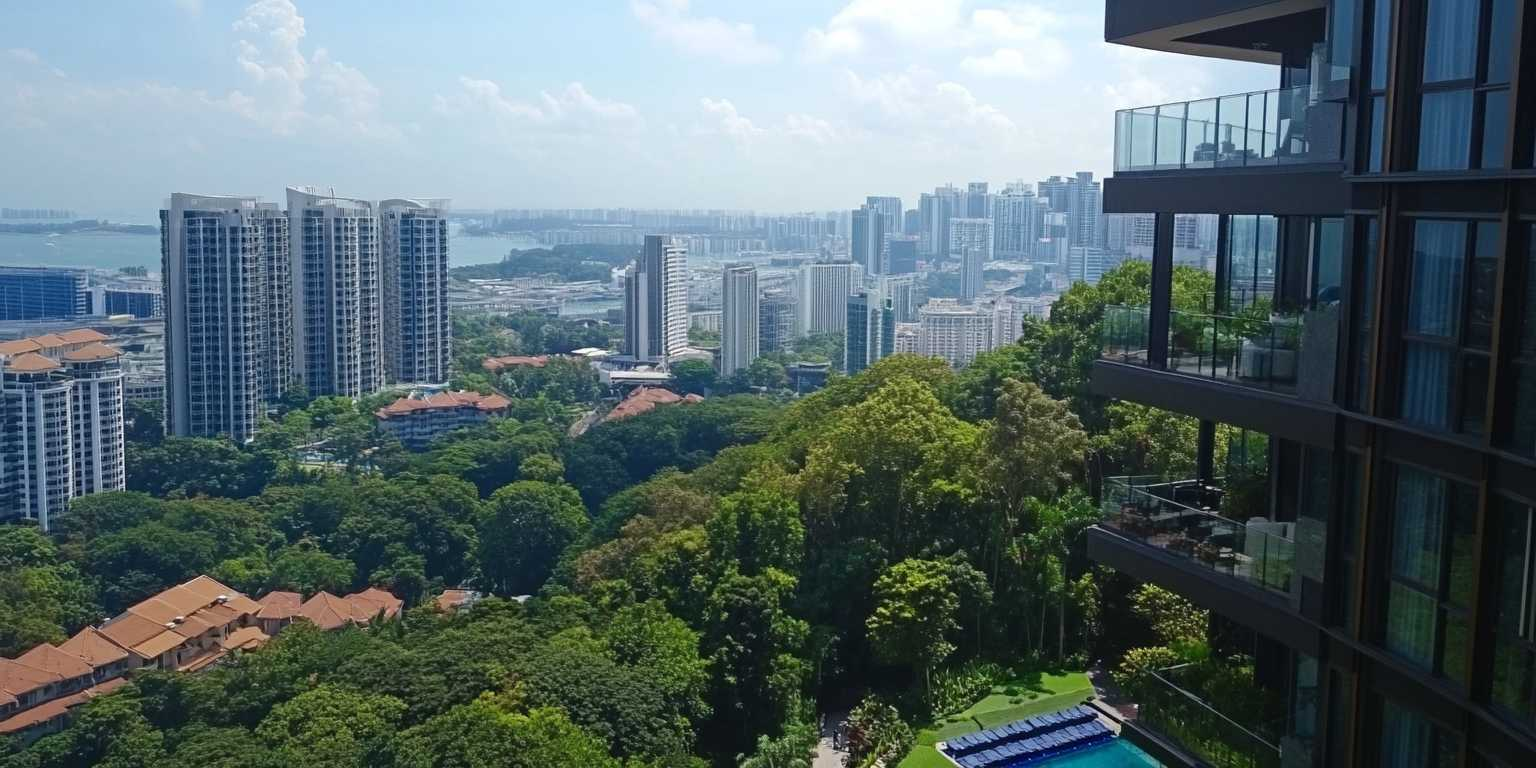
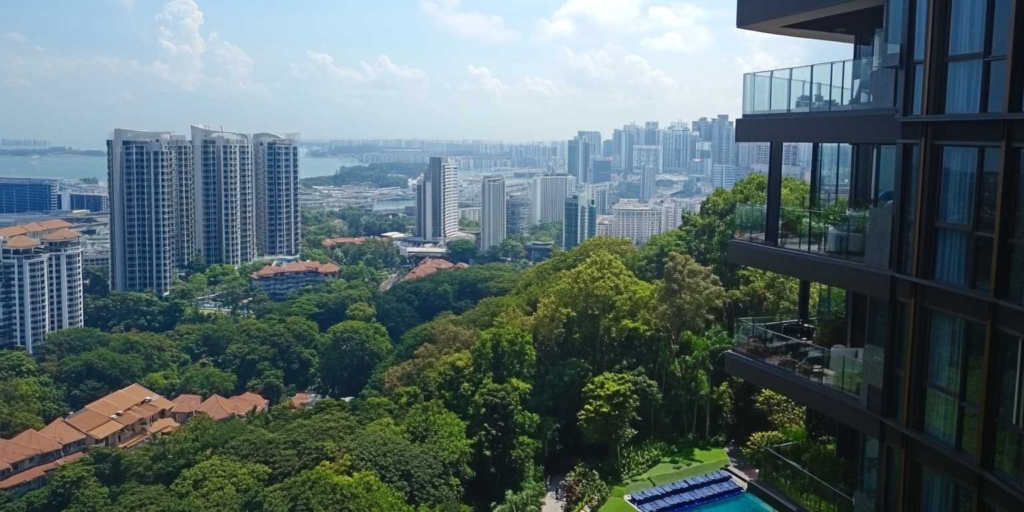
Singapore’s real estate landscape is moving through a pivotal era of modernization. As the Urban Redevelopment Authority (URA) continues to execute strategic decentralization plans, the traditional boundaries defining “premium” locations are fading. The center of gravity is shifting toward dynamic, fast-growing neighborhoods that masterfully combine high-speed mass transit, economic opportunities, and direct access to nature.
For property buyers and forward-thinking investors, understanding these emerging urban corridors is essential to capturing the next wave of capital appreciation. Here is how future infrastructure trends are completely reshaping Singapore’s residential landscape.
The Rise of Polycentric Living and Integrated Hubs
The days of a single, centralized downtown hub are giving way to a polycentric urban model. The government’s master strategy focuses on building self-sustaining regional centers across the island, ensuring that employment, retail, education, and leisure are all available within a 15-minute radius of residential zones.
This evolution is fundamentally changing consumer preferences. Modern homebuyers are no longer focusing exclusively on the Core Central Region (CCR). Instead, they are prioritizing master-planned precincts that offer comprehensive, mixed-use lifestyles, seamlessly linking high-density luxury towers with state-of-the-art community infrastructure.
The Waterfront Revolution: Cultivating Coastal Prestige
Among the fast-growing corridors capturing the market’s attention, the southern coastline stands out as a prime example of mega-scale transformation. The progressive relocation of city port terminals is systematically paving the way for the Greater Southern Waterfront (GSW), an expansive urban-nature gateway.
99.co
Residential enclaves within this corridor are setting new benchmarks by combining deep urban connectivity with maritime luxury. A key driver in this zone is Telok Blangah Residences.
Developments located along this coastal belt offer residents a unique lifestyle: stepping out of a high-tech apartment and walking directly onto the forest trails of the Southern Ridges or Labrador Nature Reserve. Crucially, with the Circle Line MRT at their doorstep, professionals maintain a direct, minutes-long rail link into the Central Business District and the One-North technology hub. This mix of coastal beauty and immediate transit access positions the southern corridor as a highly lucrative asset class.
High-Connectivity Transit Corridors: Unlocking Mature Districts
Concurrently, the integration of new mass transit infrastructure is completely revitalizing established, low-density districts. The full implementation of the Thomson-East Coast Line (TEL) and upcoming phases of the Cross Island Line (CRL) have turned previously car-dependent neighborhoods into highly connected investment hotspots.
The central and north-central green lungs of Singapore are experiencing an influx of capital due to this transport revolution. A prime example is the emergence of new residential options like Upper Thomson Residences.
Historically prized for its elite schools, landed housing charm, and popular food trails, Upper Thomson’s appeal has skyrocketed thanks to its direct rail pipeline to Orchard Road and Marina Bay. Surrounded by the pristine waters of MacRitchie Reservoir and Lower Peirce Reservoir, these developments cater perfectly to multi-generational families and affluent professionals looking for an eco-centric sanctuary without sacrificing rapid city access.
Key Factors Driving Future Property Values
When looking at the future of real estate in these fast-growing neighborhoods, several critical fundamentals stand out for buyers:
The First-Mover Advantage: Entering an emerging growth corridor during its early infrastructure phase allows buyers to secure properties at competitive prices, maximizing long-term capital gains as the neighborhood matures.
Biophilic Design and Wellness: Modern real estate values are increasingly tied to sustainability. Communities featuring lush vertical greenery, smart cooling layouts, and close proximity to natural parks command a premium in both the resale and rental markets.
Resilient Rental Yields: High-earning corporate tenants heavily prioritize seamless commutes. Condo developments integrated with major MRT stations experience shorter vacancy periods and maintain resilient rental returns, even during shifting economic cycles.
Conclusion: Adapting to Singapore’s New Blueprint
The future of residential real estate in Singapore belongs to neighborhoods that embrace connectivity, sustainability, and balanced urban living. True luxury is no longer defined merely by a prestigious postal code; it is measured by how effectively your home integrates into a well-connected, holistic ecosystem.
Whether your investment strategy aligns with the waterfront transformation surrounding Telok Blangah Residences or the nature-infused connectivity of Upper Thomson Residences, capitalizing on these fast-growing corridors is a secure pathway to long-term wealth retention. As Singapore’s master plan continues to take shape, the boundaries of modern tropical living are being excitingly redrawn.
rea more : Why Professional University Assignment Help is the Secret to Academic Success