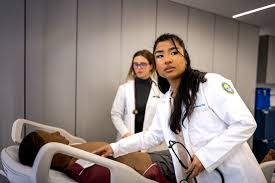
The path to becoming a physician assistant requires rigorous academic training combined with immersive clinical experience. A master of physician assistantprogram is specifically designed to provide students with the knowledge, technical skills, and professional mindset necessary to succeed in modern healthcare. From classroom instruction to hands-on patient care, the program ensures that graduates are fully prepared to take on the challenges of clinical practice. This comprehensive training develops not only medical expertise but also essential interpersonal and professional abilities that shape well-rounded healthcare providers.
Academic Foundations in Medicine
A central component of physician assistant education is a strong academic foundation. The classroom curriculum covers the essential sciences that underpin medical knowledge. Students take courses in anatomy, physiology, pharmacology, pathology, and microbiology, among others. These subjects provide an understanding of how the human body functions, how diseases develop, and how treatments affect health.
The program’s academic portion also emphasizes diagnostic reasoning and problem-solving skills. Students learn how to interpret laboratory results, analyze imaging studies, and assess patient symptoms systematically. This analytical training builds confidence in making informed decisions during patient care.
Another critical area of study is pharmacology, where students gain a thorough understanding of how medications work, potential side effects, and safe prescribing practices. Since physician assistants frequently prescribe medications, this knowledge is vital for ensuring patient safety.
Development of Clinical Skills
Beyond theoretical knowledge, students must develop the practical skills necessary for day-to-day patient care. Clinical skills training includes learning how to conduct comprehensive physical examinations, take patient histories, and perform diagnostic procedures. Skills such as suturing, administering injections, and using diagnostic equipment are taught through simulation labs and supervised practice sessions.
Students also gain experience in interpreting vital signs, recognizing symptoms of common and complex conditions, and applying clinical guidelines in real scenarios. This hands-on training allows students to transition smoothly into clinical rotations, where they will apply these skills with actual patients.
Immersive Clinical Rotations
Clinical rotations are the defining feature of a Master of Physician Assistant program. During these rotations, students work in diverse healthcare settings, including hospitals, clinics, and specialty practices. They experience multiple fields of medicine such as family medicine, internal medicine, pediatrics, surgery, emergency medicine, psychiatry, and obstetrics.
These rotations provide students with direct patient care experiences under the supervision of licensed physicians and experienced physician assistants. By interacting with patients daily, students learn how to apply classroom knowledge to real-world cases. They gain an understanding of the complexities of patient care, including managing multiple conditions, coordinating with healthcare teams, and adapting to varied clinical environments.
Rotations also expose students to different practice models, from primary care clinics in small communities to large hospital systems. This exposure broadens their perspective and helps them decide on future career paths.
Patient Communication and Counseling
A successful physician assistant is not only technically skilled but also an effective communicator. Graduate programs emphasize the importance of communication with patients, families, and healthcare teams. Students are trained to gather patient histories with sensitivity, explain diagnoses in understandable terms, and provide guidance on treatment plans.
Counseling skills are also developed, particularly in encouraging patients to make healthy lifestyle choices and adhere to prescribed treatments. Through practice and feedback, students learn to build trust and rapport, which are essential for achieving positive patient outcomes.
Teamwork and Interprofessional Collaboration
Modern healthcare relies on collaboration among a wide range of professionals. Physician assistants must be able to work seamlessly with physicians, nurses, pharmacists, and other specialists. A Master of Physician Assistant program fosters teamwork by incorporating interprofessional education, case discussions, and group problem-solving exercises.
Students learn how to communicate effectively within healthcare teams, contribute their expertise, and respect the roles of other professionals. This training prepares them to function confidently in fast-paced environments where teamwork is critical to patient safety and quality care.
Emphasis on Evidence-Based Practice
Clinical practice must be grounded in the latest scientific research. Graduate programs emphasize evidence-based practice, teaching students how to interpret scientific studies, apply clinical guidelines, and integrate research findings into patient care.
This training helps students remain adaptable in a constantly evolving medical landscape. By learning how to evaluate new information critically, graduates can make informed clinical decisions and ensure that patients benefit from the most up-to-date knowledge.
Professional Ethics and Responsibility
Physician assistants carry significant responsibility in patient care, which requires a strong sense of professional ethics. Programs dedicate time to teaching ethical principles such as confidentiality, informed consent, and patient autonomy.
Students also learn about the legal and regulatory aspects of healthcare practice, including scope of practice laws, medical liability, and professional accountability. This knowledge equips graduates to practice responsibly and maintain the trust of patients and colleagues.
Critical Thinking and Problem-Solving
Clinical situations often present with uncertainty and complexity. Physician assistant programs train students to think critically and respond effectively under pressure. Case-based learning is commonly used, where students analyze real or simulated cases, discuss possible diagnoses, and recommend treatment plans.
These exercises sharpen problem-solving skills and prepare students for the unpredictable nature of clinical work. By practicing decision-making in controlled environments, students develop the confidence to manage complex cases once they enter practice.
Preparation for Certification and Licensure
A Master of Physician Assistant program also prepares students for national certification exams, which are required to practice. Coursework and review sessions are designed to cover the broad range of topics tested, including medical sciences, patient management, and professional practice.
Through mock exams, practice questions, and faculty support, students build the confidence and knowledge needed to succeed on these assessments. Achieving certification validates their readiness to provide safe and effective care.
Building Resilience and Professional Identity
Healthcare can be demanding both physically and emotionally. Graduate programs recognize the importance of resilience and professional identity formation. Students are encouraged to reflect on their experiences, develop coping strategies for stress, and embrace their role as future healthcare providers.
Mentorship and peer support play a role in this process, as students learn from experienced practitioners and build lasting professional relationships. These elements help graduates transition smoothly into their careers with a strong sense of purpose.
Community Engagement and Preventive Care
Many physician assistant programs emphasize the importance of serving communities and promoting preventive care. Students are trained to educate patients on nutrition, exercise, and lifestyle choices that can prevent chronic diseases. They also participate in community health initiatives that increase access to care for underserved populations.
By engaging with communities, students gain perspective on public health challenges and the role physician assistants can play in addressing them. This experience reinforces the value of preventive care alongside treatment.
Integration of Education, Research, and Care
Programs that combine academic instruction with clinical experience highlight the interconnectedness of education, research, and patient care. Institutions such as UNT Health Fort Worth emphasize this integration, preparing students to excel as both learners and practitioners. With health education, health research, and health care as guiding pillars, students receive training that supports not only immediate clinical competence but also long-term professional growth.
Conclusion
A Master of Physician Assistant program is a comprehensive pathway that prepares students to thrive in clinical practice. Through rigorous academic coursework, practical skills training, immersive clinical rotations, and a strong emphasis on communication, ethics, and evidence-based care, graduates emerge as capable and confident healthcare professionals. They are ready to collaborate with medical teams, support patients with compassion, and adapt to the changing landscape of medicine.
The combination of academic depth and practical experience ensures that physician assistant graduates can provide high-quality, patient-centered care from their first day in practice. With strong preparation and a commitment to lifelong learning, these professionals play a vital role in strengthening healthcare systems and improving patient outcomes across communities.