Introduction: Why Acoustic Barriers Matter
In a world where noise pollution is constantly increasing, controlling unwanted sound has become essential for industries, workplaces, and even domestic environments. This is where acoustic barriers step in. Designed to reduce airborne noise, block sound transmission, and minimize vibrations, barrier products are now a key part of modern soundproofing strategies. Unlike basic sound-absorbing materials, acoustic barriers provide a dense layer of insulation that not only reduces echoes but also prevents noise from escaping or entering a space.
From construction sites to vehicle manufacturing, acoustic barriers are used wherever excessive sound can affect performance, comfort, or safety. Their flexibility, durability, and wide range of applications make them indispensable in today’s industrial and commercial sectors.
1. What Are Acoustic Barriers?
Acoustic barriers are flexible, sound-insulating products that work by reducing airborne noise and insulating against impact sounds. This means they not only absorb sound but also prevent transmission loss—a crucial factor in environments where noise needs to be controlled effectively.
Key benefits include:
- Anti-vibration performance: Helps reduce impact noise caused by moving machinery or heavy equipment.
- Thermal reflection: Certain barrier products can also reflect thermal radiation, making them suitable for environments where heat control is important.
- Versatility: They can be supplied in sheets, die-cut formats, or custom-cut to suit unique applications.
- Flexibility: Acoustic barriers can be applied even to slightly curved or uneven surfaces, ensuring effective coverage.
In many cases, barriers are combined with acoustic foams to form laminated solutions, offering both sound absorption and sound blocking in one product.
2. Types of Acoustic Barrier Products
Different environments require different acoustic solutions. Over the years, manufacturers have developed several variations of barrier products to meet diverse industrial needs:
a) Polymeric Acoustic Barriers
These are vinyl-based acoustic membranes (e.g., C03 and C09) that are free from harmful additives like lead or bitumen. They are designed to improve insulation across panels made of wood, plastic, or metal. Polymeric barriers are highly effective at reducing resonance in lightweight structures, such as hollow-core panels or plywood.
b) Bitumen PE Foil Covered Acoustic Barriers
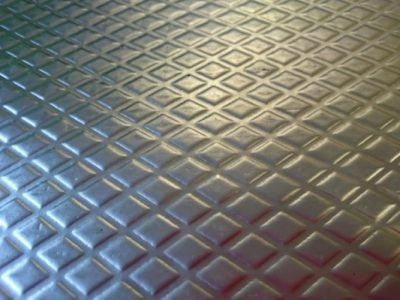
These barriers (such as C022 and C023) come with self-adhesive backing and a diamond-embossed PE foil surface. They provide excellent vibration dampening and help prevent oil seepage from bitumen-based layers. Their adhesive surface allows easy bonding to substrates, making installation simpler and cleaner.
c) Bitumen Aluminium Acoustic Barriers
For environments exposed to heat—such as engine blocks in cars, construction vehicles, agricultural machinery, or marine applications—aluminium-backed barriers like C024 are ideal. These feature a dense mixture of polymers, bitumen, and mineral fillers, providing superior sound dampening while resisting thermal damage.
3. Applications of Acoustic Barrier Products
Acoustic barriers are not limited to one industry—they are used wherever noise reduction and vibration control are needed. Some common applications include:
- Automotive Sector: Reducing engine noise, insulating vehicle cabins, and dampening vibration.
- Construction Equipment: Applied in heavy-duty vehicles and machinery to create safer, quieter work environments.
- Domestic Appliances: White goods like washing machines, dishwashers, and refrigerators often incorporate barriers to minimize operational noise.
- Marine Industry: Boats and ships rely on acoustic barriers to dampen engine sounds and improve onboard comfort.
- Industrial Machinery: Noise from large machines is controlled using barriers that prevent sound from spreading across workspaces.
- HVAC Systems & Pipe Insulation: Acoustic barriers reduce noise from ventilation systems and insulate pipes against vibration.
- Public Transport & Rail: Passengers benefit from reduced noise thanks to barrier integration in cabins and enclosures.
These widespread uses highlight just how versatile barrier products are in modern industries.
4. Acoustic Foam vs Acoustic Barriers: What’s the Difference?
While both acoustic foam and acoustic barriers play a role in soundproofing, they serve different purposes:
- Acoustic Foam is designed mainly for sound absorption. It reduces echoes, reverberations, and mid-to-high frequency noise within a room. Commonly seen in studios, offices, and home theatres, foam is excellent for improving sound clarity but does not stop sound transmission.
- Acoustic Barriers, on the other hand, are built for blocking and containing noise. They add mass and density to walls, panels, or machinery enclosures, stopping sound from traveling between spaces.
For maximum effectiveness, these two materials are often combined. For example, an acoustic foam layer may absorb internal echoes, while an acoustic barrier blocks external noise from entering.
5. Benefits of Acoustic Barriers
Integrating acoustic barriers into buildings, vehicles, or equipment provides several long-term benefits:
- Noise Reduction: Creates quieter environments for workers, residents, and end-users.
- Health & Safety Compliance: Lower noise levels help businesses meet health and safety regulations, protecting staff from hearing damage.
- Improved Productivity: Quieter environments reduce distractions, allowing for greater focus and efficiency.
- Thermal & Vibration Control: Many barrier products also help manage heat and vibration, extending the life of machinery and equipment.
- Customization: With options like sheets, die-cut parts, or water-jet cut solutions, businesses can get tailored products for their specific needs.
6. The Role of Manufacturers Like Acoustafoam
Acoustic barrier technology has evolved over decades, and manufacturers such as Acoustafoam Ltd., based in Telford, Shropshire, play a key role in this progress. Since its founding in 1979, the company has specialized in producing foam, rubber, and plastic components for a wide variety of industries.
With advanced manufacturing methods, including CNC cutting, water jetting, and moulding, companies like Acoustafoam provide barrier products that are BSI ISO 9001:2015 certified, ensuring quality and reliability. Their long-standing experience across industries such as automotive, construction, marine, medical, and public transport highlights the adaptability and demand for acoustic barriers worldwide.
7. Future of Acoustic Barrier Technology
As industries continue to grow and urban areas expand, noise management will remain a critical challenge. Future acoustic barrier products are expected to integrate:
- Eco-friendly materials to reduce environmental impact.
- Smart acoustic systems that adapt to changing noise levels.
- Hybrid laminates combining barriers, foams, and thermal insulators for multi-functional performance.
This innovation ensures that businesses and communities can enjoy quieter, safer, and more efficient environments in the years ahead.
Conclusion
Acoustic barriers have become an essential part of modern noise control, providing reliable solutions for industries ranging from automotive to construction and beyond. Unlike simple sound-absorbing materials, barrier products deliver powerful sound-blocking performance, vibration dampening, and thermal reflection benefits.
Whether used in vehicles, appliances, or industrial machinery, these versatile products improve comfort, safety, and efficiency. And with ongoing innovations, acoustic barriers will continue to shape the future of soundproofing across multiple sectors.
For businesses seeking to control noise effectively, investing in high-quality acoustic barriers is not just a solution—it’s a necessity.